

Brain Health & Hearing
Hearing is more than just the ability to detect sound. It plays a key role in how your brain processes information, communicates with others, and stays actively engaged. At Precision Hearing Group Inc., we help patients understand the important connection between hearing and brain health in a way that is clear, supportive, and easy to apply to everyday life.
Serving Longview and the surrounding East Texas communities, our goal is to provide education and care that supports both your hearing and long-term well-being.

The Connection Between Hearing and the Brain
Your ears collect sound, but your brain is what interprets it. When hearing is reduced, the brain receives less sound information, which can affect how efficiently it processes speech and other sounds.
Over time, this reduced input can place additional strain on the brain as it works harder to fill in missing pieces of conversation. This increased effort can impact focus, memory, and overall mental clarity.
How Hearing Loss Affects Brain Function
Hearing Loss and Cognitive Health
Research has shown a connection between untreated hearing loss and an increased risk of cognitive decline, including conditions such as dementia and Alzheimer’s disease.
While hearing loss does not directly cause these conditions, it can contribute to factors that affect brain health, such as reduced social interaction and increased mental strain. Addressing hearing concerns early helps support the brain’s ability to stay active and engaged.
Staying Socially Connected Matters
One of the most important ways hearing supports brain health is through communication. Conversations, shared experiences, and social interactions all help keep the brain stimulated.
When hearing loss makes communication more difficult, some individuals may begin to withdraw from social situations. Over time, this reduced interaction can impact both emotional well-being and cognitive function. By improving their hearing, patients often feel more confident staying engaged in conversations and activities that keep their minds active.



Signs Your Hearing May Be Affecting Your Focus
- Difficulty following conversations, especially in groups
- Feeling mentally tired after listening for long periods
- Trouble concentrating in noisy environments
- Frequently missing parts of conversations
Hearing Care as Part of Overall Health
Taking care of your hearing is a highly important part of maintaining your overall health. Think of it as along the same lines as vision care or regular check-ups.
By identifying and addressing hearing loss as early as possible, you can reduce strain on your brain and support clearer communication. Hearing care is not just about sound; it is about staying connected, mentally active, and engaged.
How Hearing Aids Can Help Support Brain Health
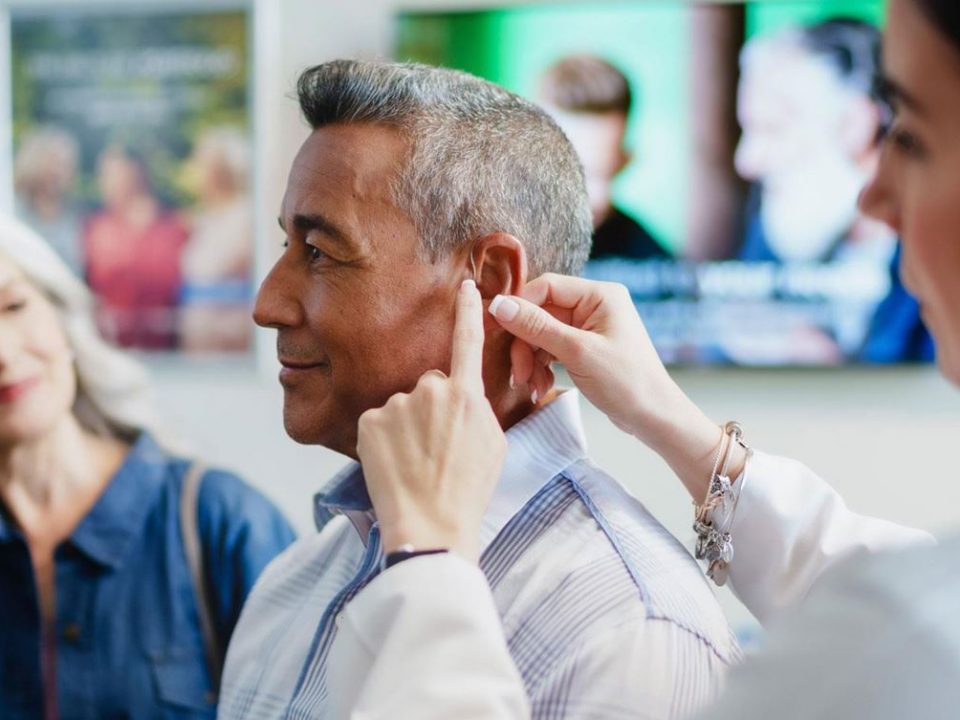
Modern hearing aids do more than improve sound. They help restore access to the sounds your brain needs to stay active.
With features like AI-driven sound processing and automatic adjustments, today’s devices provide consistent stimulation that supports more natural listening. This can reduce listening effort and help the brain process information more efficiently. Hearing aids also make it easier to stay engaged in conversations, which plays a key role in maintaining cognitive health.

A Patient-First, Educational Approach
At Precision Hearing Group Inc., we believe understanding your hearing is just as important as treating it. We take time to explain how hearing and brain health are connected so you can make informed decisions about your care.
There is never pressure. The focus is on providing clear information, answering your questions, and helping you feel confident about your next steps.
Take a Proactive Approach to Hearing and Brain Health
Supporting your hearing today can have a meaningful impact on your long-term well-being. With the right care and guidance, you can stay connected, engaged, and mentally active.
Precision Hearing Group Inc. is here to help you take that next step with confidence. Schedule a hearing evaluation today.
